


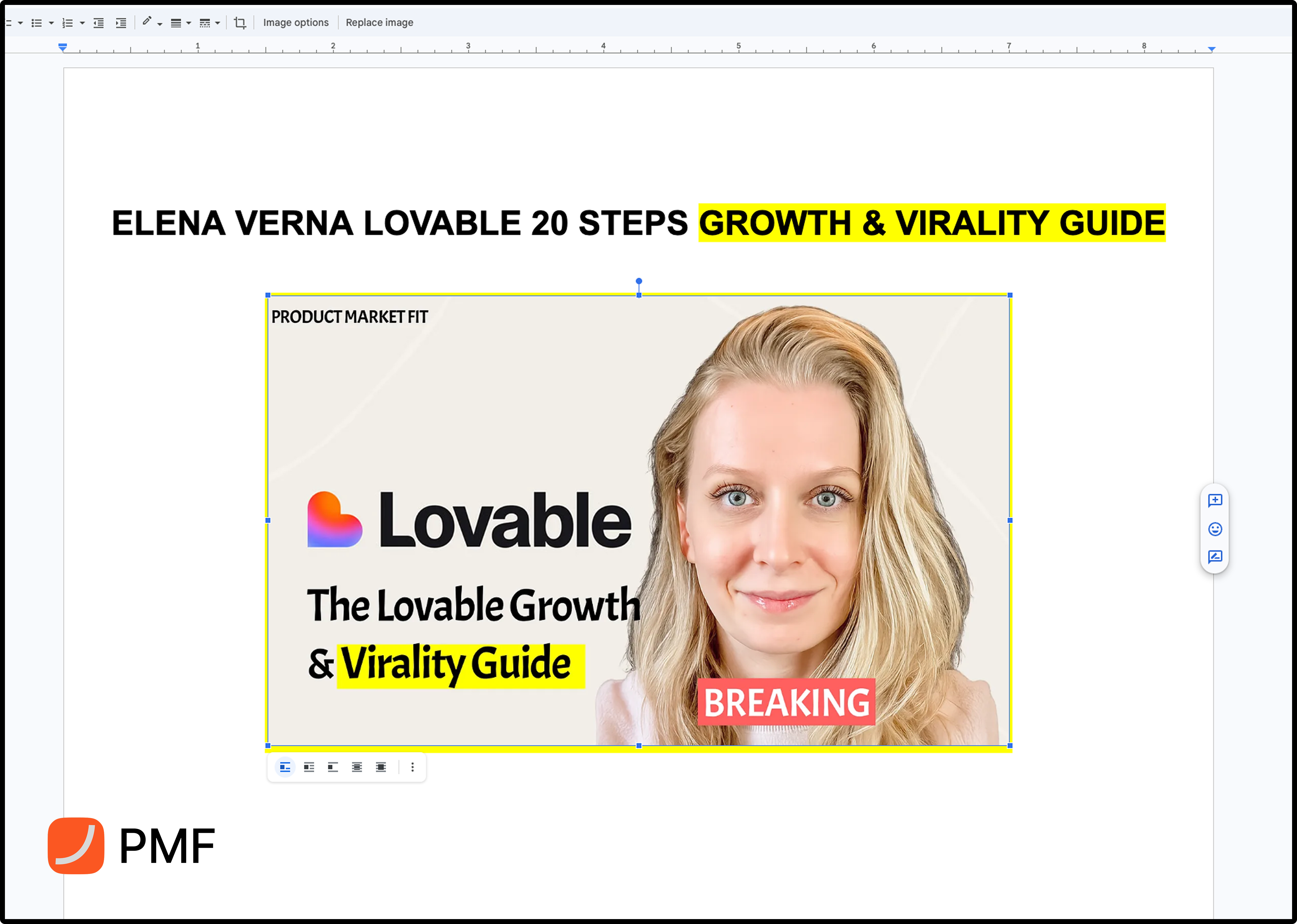
Lovable is not growing because it found one clever channel.
It is growing because it built a system where:
the product creates delight
delight creates sharing
sharing creates trust
trust creates growth
In Elena Verna’s framing, growth is a trust problem now.
When software becomes easier to build, functionality stops being enough. People can copy features. They can build alternatives. What they cannot copy as easily is:
trust
brand
speed
relevance
emotion
community energy
product-led word of mouth
That is the real growth engine.
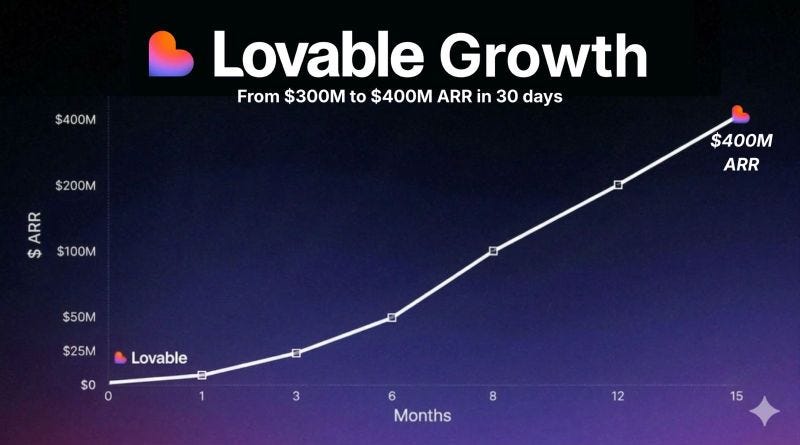
We broke down Lovable’s growth into a system that can be understood and, in parts, applied whether you’re early or already scaling.
Why growth is becoming a trust problem (not a channel problem)
How to use your product as the main growth channel
Why you need a “minimum lovable product,” not just a functional one
How to use founder-led social to drive early traction
How to turn employees into a distribution engine
Why AI-native companies blur roles (and why it matters)
Why avoiding the biggest mistake in early-stage growth (paid too early)
How to sequence organic and paid growth the right way
Why most communities fail (and how to build one that works)
How to turn users into your most effective growth channel (UGC)
How to define activation around real value, not vanity metrics
How to use continuous launches to drive retention and relevance
How to stay top-of-mind in fast-moving markets
How to design monetization for bursty AI usage
Why brand becomes critical as products commoditize
How to use brand and offline campaigns effectively (and when)
Why leveraging creators as a growth channel
How to turn free product moments into growth campaigns
Why speed acts as a trust signal
How to compete with incumbents using speed, culture, and distribution
Why it’s valuable
This guide connects a lot of scattered ideas into a more coherent model.
You can use this to:
think about product as distribution, not just utility
treat free usage as awareness, not just lost revenues
prioritize organic pull before scaling paid
design for sharing and visibility, not just usage
avoid scaling a system that hasn’t earned trust yet
The full breakdown is available for paid subscribers. If you’re not one yet, you can join here:
